Your Dyeing process of cotton fabric with reactive dyes images are ready in this website. Dyeing process of cotton fabric with reactive dyes are a topic that is being searched for and liked by netizens now. You can Download the Dyeing process of cotton fabric with reactive dyes files here. Get all free photos.
If you’re looking for dyeing process of cotton fabric with reactive dyes pictures information linked to the dyeing process of cotton fabric with reactive dyes interest, you have visit the right site. Our website always provides you with hints for viewing the maximum quality video and image content, please kindly surf and find more enlightening video content and graphics that fit your interests.
Dyeing Process Of Cotton Fabric With Reactive Dyes. Methods of Dyeing 1 Bale Dyeing. The product of fiber reactive dyed fabric is ultimately one of the most wash-safe outcomes you can get. Direct dyes can color fabric directly with one operation and without the. This means you can wash white garments and other fabrics.
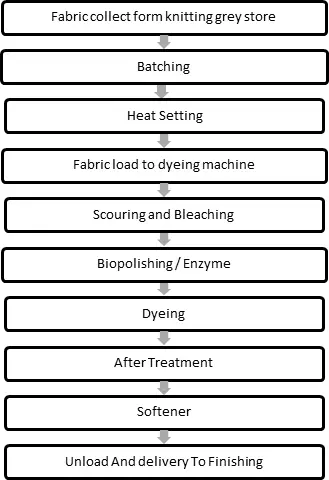 100 Cotton Fabric Knitting Dyeing Process Reactive Dye Flow Chart With Complete Practical Documentation 2021 From practicaltextile.com
Bleaching is used to reduce natural color of the raw materials. The process increased the fabric absorbency and luster of the fabric dying and printing. Direct dyes can color fabric directly with one operation and without the. After dyeing allow the pieces to dry and set. Reactive dyes are the best fabric dye choice for cotton and other cellulose fibers at home. These are usually used to dye cellulosic fibers such as cotton rayon or flax but polyamide wool silk and acetate fibers can also be dyed using reactive dyes.
These compounds are characterized by the functional group -NN- uniting two symmetrical andor asymmetrical identical or non-azo alkyl or aryl radicals 6.
Methods of Dyeing 1 Bale Dyeing. After dyeing allow the pieces to dry and set. Dyeing Process and Environmental. Natural Dyes for Fabric. Bleaching is used to reduce natural color of the raw materials. A common misconception is dyeing jeans black is simple however this is rarely the case when using all-purpose dyes at home.
 Source: semanticscholar.org
In this process different colourant dye and pigments are used for colouration of textile apparel or accessories. In dyeing cellulose fibres with reactive dyes the following chemicals and auxiliaries are used. Dye molecules are fixed to the fiber by absorption diffusion or bonding with temperature and time being key controlling factors. Fibre-reactive dyes are dyes that bond to the fibre due to a chemical reaction with fabrics like cotton rayon and soy. The process increased the fabric absorbency and luster of the fabric dying and printing.
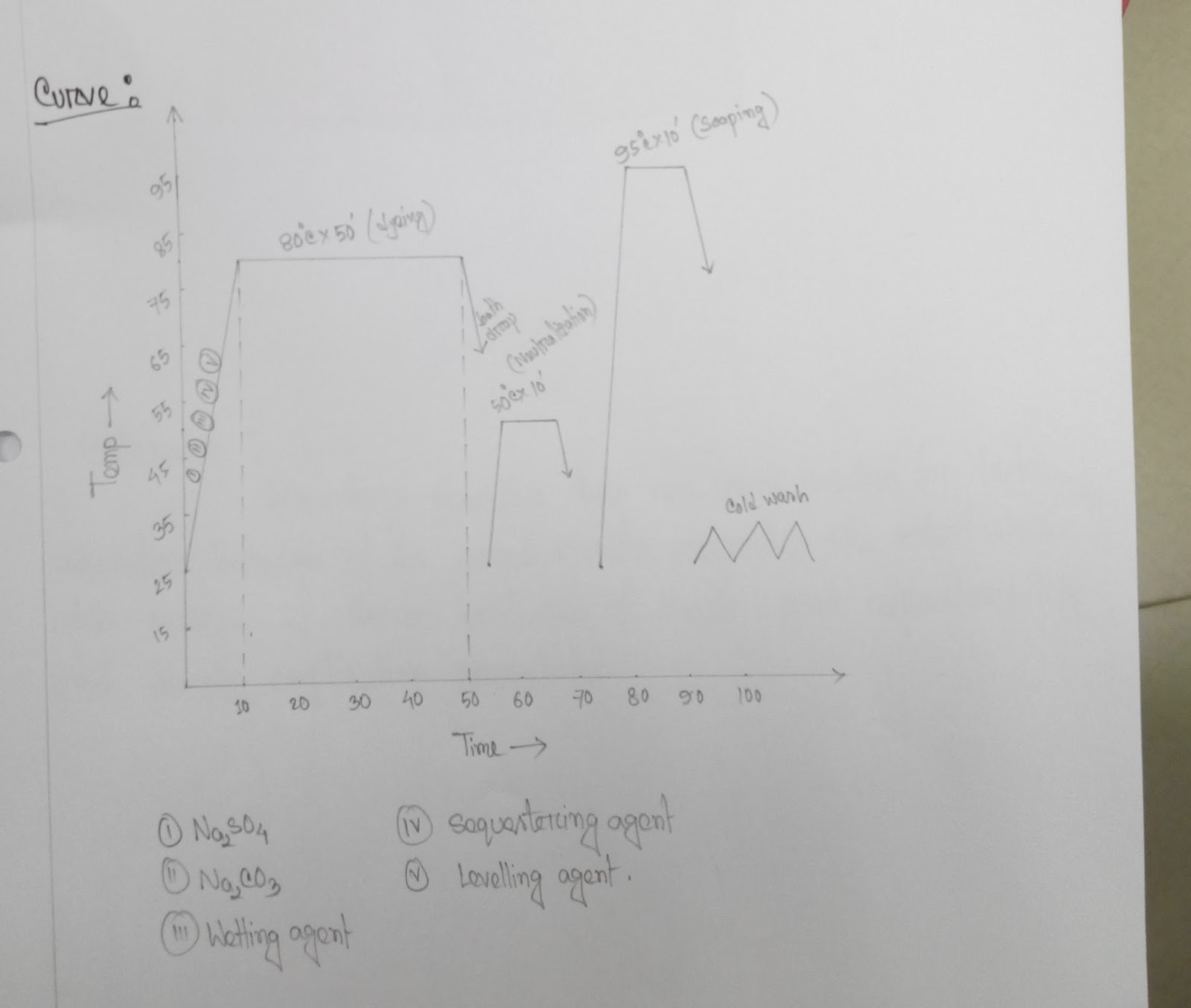 Source: textileanalysis.blogspot.com
Reactive dyes react with fiber molecules to form chemical bonds. Dyeing process The dyeing process is one of the key factors in the successful trading of textile products. Non-cellouse materials oil fat and wax. Raw fabrics and yarns carry impurities and residues such as. Reactive dyes are mainly used for dyeing cellulose fibres such as cotton and viscose but they are also increasingly gaining importance for wool and polyamide.
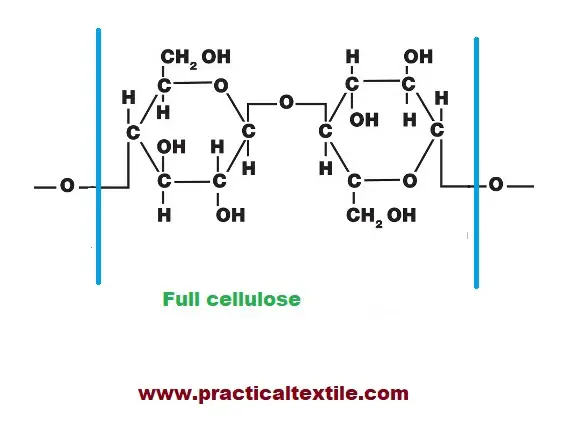 Source: practicaltextile.com
In addition to the design and beautiful color the consumer usually looks for some basic prod uct characteristics such as good fixation with respect to light perspiration and washing Textile Dyes. Although almost all dyeing can be done in a vat the term vat dye is used to describe a chemical class of dyes that are applied to cellulosic fibre ie cotton using a redox reaction as described belowBecause of the use of caustic soda and the very high pH of the dye bath in the dyeing process wool cannot be dyed using vat dyestuffs. Coloring using these dyes does not require mordants. In this process different colourant dye and pigments are used for colouration of textile apparel or accessories. After the dyeing process you end what-what essentially is a single molecule after the bond.
 Source: sciencedirect.com
Reactive dyes are mainly used for dyeing cellulose fibres such as cotton and viscose but they are also increasingly gaining importance for wool and polyamide. After the dyeing process you end what-what essentially is a single molecule after the bond. Fibre-reactive dyes are dyes that bond to the fibre due to a chemical reaction with fabrics like cotton rayon and soy. Fiber reactive dyes like Procion MX bond with the fiber at a molecular level becoming chemically part of the fabric. Dye molecules are fixed to the fiber by absorption diffusion or bonding with temperature and time being key controlling factors.
 Source: fibre2fashion.com
After all the pieces have been dyed and allowed to oxidize go ahead and repeat the dying process. After all the pieces have been dyed and allowed to oxidize go ahead and repeat the dying process. Dye molecules are fixed to the fiber by absorption diffusion or bonding with temperature and time being key controlling factors. We use natural dyes for fabric because we want something non-carcinogenic and not harmful to our environment. Dyeing performance of fabric depends on the process bleaching.
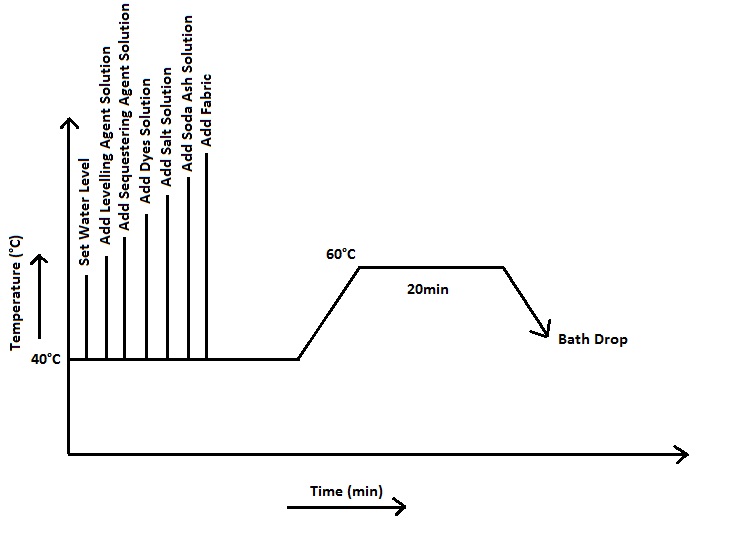 Source: diutestudents.blogspot.com
Fibre-reactive dyes are dyes that bond to the fibre due to a chemical reaction with fabrics like cotton rayon and soy. After all the pieces have been dyed and allowed to oxidize go ahead and repeat the dying process. Other types of dyes such as Procion reactive dyes require more skill but results are fantastic and the color is more permenant. Reactive dye is a class of dye that makes a covalent bond with the fiber and becomes an integral part of the fiber. A dyeing process is the interaction between a dye and a fibre as well as the movement of dye into the internal part of the fibre.
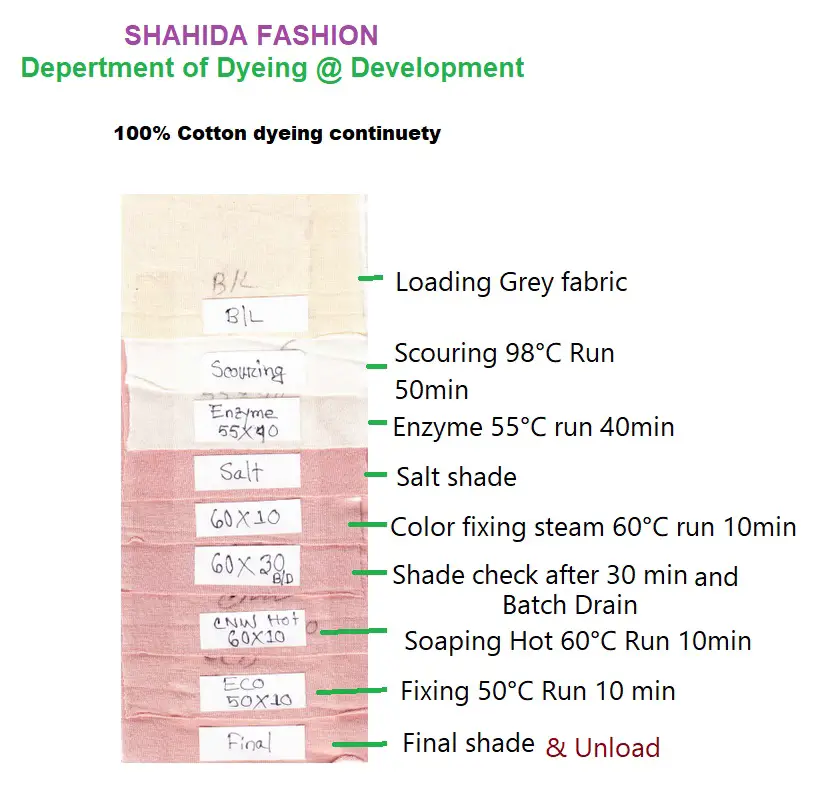 Source: practicaltextile.com
This means you can wash white garments and other fabrics. Warm temperature long process time requires less salt and alkali than cotton Dye fixation. This colourant are based on azo dyes and Anthraquinone dyes. And remember the fabric will always look darker when wet and will fade a bit when washed for the first time. Scouring is the first procedure for any dyeing process.
 Source: researchgate.net
Dharma Trading Company has been a supplier of fiber arts supplies for more than 40 years. The process increased the fabric absorbency and luster of the fabric dying and printing. Bleaching is used to reduce natural color of the raw materials. These are usually used to dye cellulosic fibers such as cotton rayon or flax but polyamide wool silk and acetate fibers can also be dyed using reactive dyes. There have been attempts to apply reactive dyes to indigo machines but dye control is nearly impossible due to the large dye boxes in most indigo equipment as much of the dye is decomposed before it interacts with the cotton.
 Source: researchgate.net
Although almost all dyeing can be done in a vat the term vat dye is used to describe a chemical class of dyes that are applied to cellulosic fibre ie cotton using a redox reaction as described belowBecause of the use of caustic soda and the very high pH of the dye bath in the dyeing process wool cannot be dyed using vat dyestuffs. Request a FREE catalog with everything you need for home or. Reactive dyes are mainly used for dyeing cellulose fibres such as cotton and viscose but they are also increasingly gaining importance for wool and polyamide. However the modern natural dyeing process information is very insufficient. And remember the fabric will always look darker when wet and will fade a bit when washed for the first time.
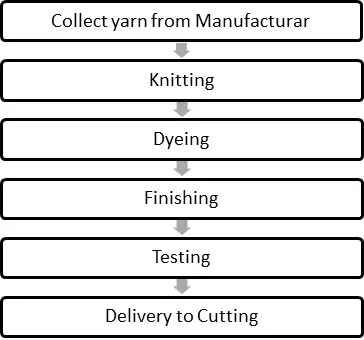 Source: practicaltextile.com
A dyeing process is the interaction between a dye and a fibre as well as the movement of dye into the internal part of the fibre. Scouring removed natural impurities such as. Reactive dyes react with fiber molecules to form chemical bonds. In this process different colourant dye and pigments are used for colouration of textile apparel or accessories. And remember the fabric will always look darker when wet and will fade a bit when washed for the first time.
Source: practicaltextile.com
This colourant are based on azo dyes and Anthraquinone dyes. This means you can wash white garments and other fabrics. And remember the fabric will always look darker when wet and will fade a bit when washed for the first time. Reactive dyes react with fiber molecules to form chemical bonds. Fiber reactive dyes like Procion MX bond with the fiber at a molecular level becoming chemically part of the fabric.
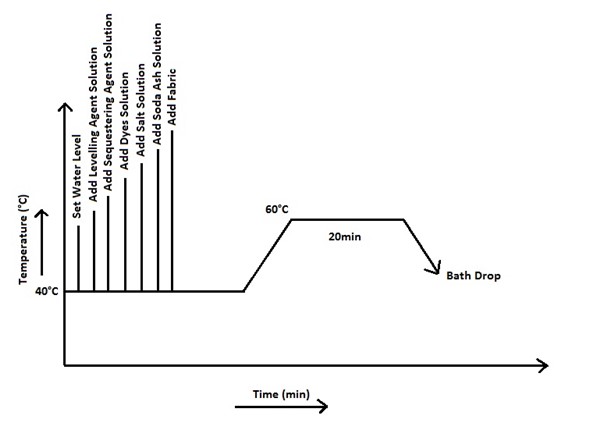 Source: diutestudents.blogspot.com
Scouring removed natural impurities such as. Raw fabrics and yarns carry impurities and residues such as. The range of available reactive dyes is wide and enables a large number of dyeing techniques to be used. Read also- Reactive dyeing process dyeing of cotton with reactive dyeing. On cellulose soda ash is the primary fixer.
 Source: diutestudents.blogspot.com
Fiber reactive dyes like Procion MX bond with the fiber at a molecular level becoming chemically part of the fabric. However the modern natural dyeing process information is very insufficient. This means you can wash white garments and other fabrics. A good washing process and corresponding cleaning agents can fully remove the unfixed dyes. These compounds are characterized by the functional group -NN- uniting two symmetrical andor asymmetrical identical or non-azo alkyl or aryl radicals 6.
 Source: researchgate.net
Fibre-reactive dyes are dyes that bond to the fibre due to a chemical reaction with fabrics like cotton rayon and soy. It is inexpensive and has good wash-fastness. Read also- Reactive dyeing process dyeing of cotton with reactive dyeing. It is also easy to apply and is commonly used for cotton fabric. In dyeing cellulose fibres with reactive dyes the following chemicals and auxiliaries are used.
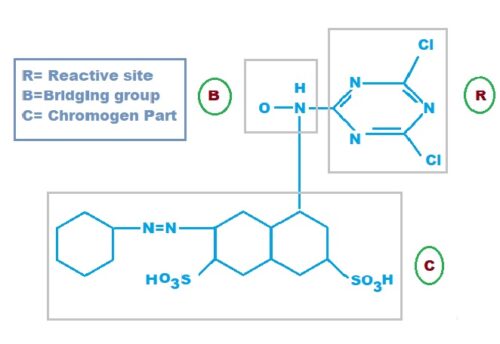 Source: practicaltextile.com
Dyeing process The dyeing process is one of the key factors in the successful trading of textile products. The process increased the fabric absorbency and luster of the fabric dying and printing. On protein you can use soda ashbut it can damage silk if you soak it for long periods of time. A common misconception is dyeing jeans black is simple however this is rarely the case when using all-purpose dyes at home. Warm temperature long process time requires less salt and alkali than cotton Dye fixation.
 Source: researchgate.net
What is Reactive Dye. Today a wide variety is available. This colourant are based on azo dyes and Anthraquinone dyes. There have been attempts to apply reactive dyes to indigo machines but dye control is nearly impossible due to the large dye boxes in most indigo equipment as much of the dye is decomposed before it interacts with the cotton. We use natural dyes for fabric because we want something non-carcinogenic and not harmful to our environment.
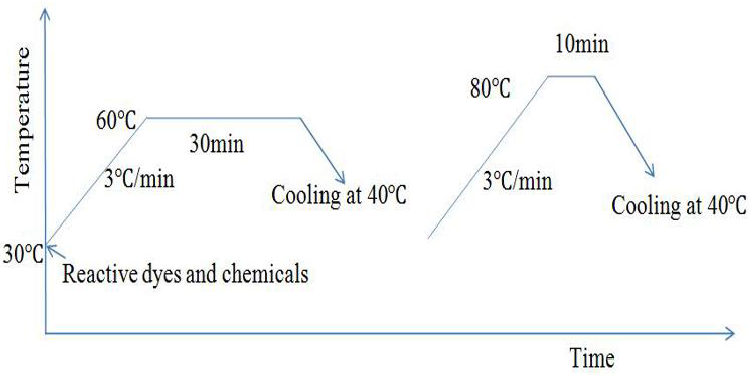 Source: scielo.org.mx
Dye molecules are fixed to the fiber by absorption diffusion or bonding with temperature and time being key controlling factors. Fiber reactive dyes like Procion MX bond with the fiber at a molecular level becoming chemically part of the fabric. We use natural dyes for fabric because we want something non-carcinogenic and not harmful to our environment. Reactive dyes are mainly used for dyeing cellulose fibres such as cotton and viscose but they are also increasingly gaining importance for wool and polyamide. What is Reactive Dye.
 Source: scirp.org
Most commonly in use today are the reactive and direct types for cotton dyeing and disperse types for polyester dyeing. Fiber reactive dyes like Procion MX bond with the fiber at a molecular level becoming chemically part of the fabric. What is Reactive Dye. Reactive dyes Sensitisation. On cellulose soda ash is the primary fixer.
This site is an open community for users to do submittion their favorite wallpapers on the internet, all images or pictures in this website are for personal wallpaper use only, it is stricly prohibited to use this wallpaper for commercial purposes, if you are the author and find this image is shared without your permission, please kindly raise a DMCA report to Us.
If you find this site helpful, please support us by sharing this posts to your preference social media accounts like Facebook, Instagram and so on or you can also bookmark this blog page with the title dyeing process of cotton fabric with reactive dyes by using Ctrl + D for devices a laptop with a Windows operating system or Command + D for laptops with an Apple operating system. If you use a smartphone, you can also use the drawer menu of the browser you are using. Whether it’s a Windows, Mac, iOS or Android operating system, you will still be able to bookmark this website.