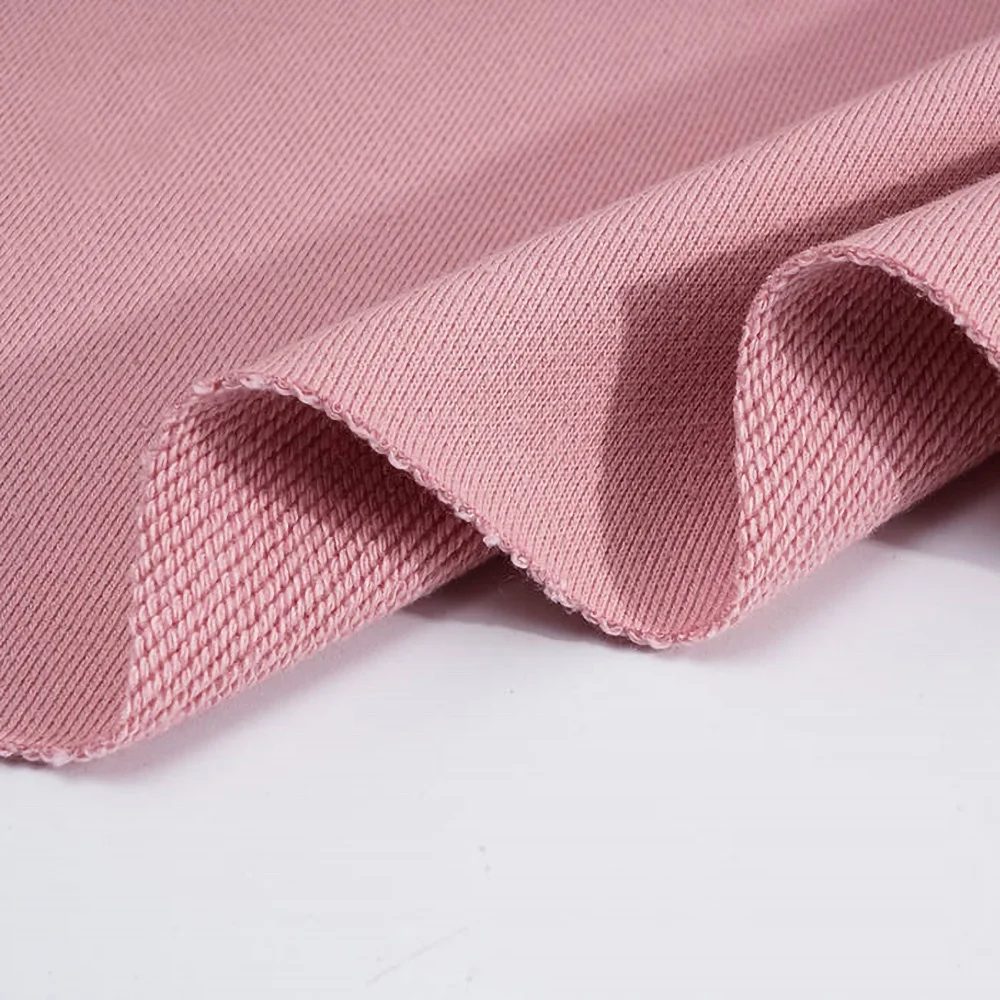
Your How to seal cotton fabric edges images are ready. How to seal cotton fabric edges are a topic that is being searched for and liked by netizens now. You can Get the How to seal cotton fabric edges files here. Find and Download all royalty-free images.
If you’re searching for how to seal cotton fabric edges images information connected with to the how to seal cotton fabric edges interest, you have visit the right site. Our site frequently gives you suggestions for viewing the maximum quality video and picture content, please kindly hunt and locate more informative video content and graphics that match your interests.
How To Seal Cotton Fabric Edges. To summarise how to stop fabric from fraying. To waterproof natural fabric like cotton denim or canvas give it a thorough rubdown with a bar of Otter WaxThe wax wont leave any residue but will stiffen and darken the fabric to give it a rugged appearance. Whether it is a serging ziz zag on a home sewing machine or a conventional straight stitch a lmost all of them entail the use of stitchingUsing some form of stitching to prevent cut fabric edges from unraveling is truly the. Firstly it will stretch the fabric around the edges particularly around any curves distorting the fit of the final creation.
 Pin On Tips From pinterest.com
Tutorial on how I seal my edges for applique. Im working on my first project using a 100 cotton cord. The fibers in non-woven fabrics are tightly held together by heat pressure and resins. To summarise how to stop fabric from fraying. Cup Edging Tool for Custom Tumblers Perfect Partner to Cup Turner - Ideal for Cutting Fabric Work on Newly Applied Epoxy Glitter Edges to Remove the Rough Edges 46 out of 5 stars 790 1397 13. Most woven fabrics – such as denim linen and cotton broadcloth – will fray or unravel along a cut edge unless you act to prevent it.
How to Fray Fabric Edges.
Cup Edging Tool for Custom Tumblers Perfect Partner to Cup Turner - Ideal for Cutting Fabric Work on Newly Applied Epoxy Glitter Edges to Remove the Rough Edges 46 out of 5 stars 790 1397 13. Whether it is a serging ziz zag on a home sewing machine or a conventional straight stitch a lmost all of them entail the use of stitchingUsing some form of stitching to prevent cut fabric edges from unraveling is truly the. A third option is to apply seam sealant to the cut edges of your project. The fibers in non-woven fabrics are tightly held together by heat pressure and resins. Secondly when the yarns in the weave are really thick the serging has a tendency to slip off the edge of the fabric. This requires careful application just to the edge otherwise staining can occur.
 Source: pinterest.com
Heat sealing the fabric prevents fraying and creates a sturdy edge that will not tear under normal pressure. Up to 3 cash back Finish with Fire. A serger is an investment to be sure but if you sew a great deal and you want high quality professional results it is worth the expense. Secondly when the yarns in the weave are really thick the serging has a tendency to slip off the edge of the fabric. It is a stitching method used in the p.
 Source: pinterest.com
A serger is an investment to be sure but if you sew a great deal and you want high quality professional results it is worth the expense. Cut off the extra glue for an even finish. Serge or overlock the edge with a serger zigzag the edge with a zigzag machine straight stitch with a very small stitch length cut the edge with pinking shears iron on strips of. The best way to apply the sealant is with a cotton swab or toothpick then allow the fabric to dry before moving. If you want to stop a piece of fabric from fraying while you sew it if you need to quickly stop fraying edges on a piece of ribbon or you do not have access to a needle and thread to create a hem you can prevent fraying by using Super.
 Source: pinterest.com
Yet another option is to zigzag or serge the edges and narrowly hem them to. This method can be bulky. Wipe off any excess fray sealer immediately. Nylon polypropylene and polyester webbing can all be sealed using an open flame. Whether it is a serging ziz zag on a home sewing machine or a conventional straight stitch a lmost all of them entail the use of stitchingUsing some form of stitching to prevent cut fabric edges from unraveling is truly the.
 Source: pinterest.com
We recommend denim shirts work jackets and old canvas weekenders. Nylon polypropylene and polyester webbing can all be sealed using an open flame. Wipe off any excess fray sealer immediately. To waterproof natural fabric like cotton denim or canvas give it a thorough rubdown with a bar of Otter WaxThe wax wont leave any residue but will stiffen and darken the fabric to give it a rugged appearance. A third option is to apply seam sealant to the cut edges of your project.
 Source: pinterest.com
To summarise how to stop fabric from fraying. Non-woven fabrics do not fray due to the chemical nature of the fibers. Use cotton swabs or a cotton cloth or towel. Avoid using too much glue as it can leave dark spots on your fabric once it has dried. We recommend denim shirts work jackets and old canvas weekenders.
 Source: pinterest.com
The best way to stop cotton webbing from fraying would be to use nail polish. The fibers in non-woven fabrics are tightly held together by heat pressure and resins. Secondly when the yarns in the weave are really thick the serging has a tendency to slip off the edge of the fabric. Hold the end of your webbing close to but not directly in the fire. Purchase any one of these adhesives at a local craft store or online.
 Source: pinterest.com
Fabric sealants which are made by several different companies are available in craft stores. There are numerous clean finishing techniques used in dressmaking to contain fabric fraying and finish the edges of seam or hem allowance. Non-woven fabrics do not fray due to the chemical nature of the fibers. Wipe off any excess fray sealer immediately. Fabric sealants are clear plastic liquids in a tube that seal the fabric edge and stop fraying without sewing.
 Source: pinterest.com
You can use the no-sew techniques listed above or use your sewing machine to make zig-zag stitches along the edges of your fabrics. Tutorial on how I seal my edges for applique. A serger is an investment to be sure but if you sew a great deal and you want high quality professional results it is worth the expense. If the excess fray sealer dries on the roller blind fabric check the package to find out what type of solvent you can use to dissolve it. Sweep the material back and forth close to the flame to evenly seal the ends.
 Source: pinterest.com
To waterproof natural fabric like cotton denim or canvas give it a thorough rubdown with a bar of Otter WaxThe wax wont leave any residue but will stiffen and darken the fabric to give it a rugged appearance. Im working on my first project using a 100 cotton cord. The best way to apply the sealant is with a cotton swab or toothpick then allow the fabric to dry before moving. Answer 1 of 8. Serge or overlock the edge with a serger zigzag the edge with a zigzag machine straight stitch with a very small stitch length cut the edge with pinking shears iron on strips of.
 Source: pinterest.com
You can use the no-sew techniques listed above or use your sewing machine to make zig-zag stitches along the edges of your fabrics. Fabrics like nylon and dacron which are often used in. Avoid using too much glue as it can leave dark spots on your fabric once it has dried. Kevin Schafer Getty Images. Its a shopping bag and for the top edge I have to cut the cords and seal the raw ends before I make the handles.
 Source: pinterest.com
Lastly cotton jute and polypropylene webbing can be sealed using hot glue. This requires careful application just to the edge otherwise staining can occur. Answer 1 of 8. Cup Edging Tool for Custom Tumblers Perfect Partner to Cup Turner - Ideal for Cutting Fabric Work on Newly Applied Epoxy Glitter Edges to Remove the Rough Edges 46 out of 5 stars 790 1397 13. It is a stitching method used in the p.
 Source: pinterest.com
Secondly when the yarns in the weave are really thick the serging has a tendency to slip off the edge of the fabric. To waterproof natural fabric like cotton denim or canvas give it a thorough rubdown with a bar of Otter WaxThe wax wont leave any residue but will stiffen and darken the fabric to give it a rugged appearance. A third option is to apply seam sealant to the cut edges of your project. Wipe off any excess fray sealer immediately. Whether it is a serging ziz zag on a home sewing machine or a conventional straight stitch a lmost all of them entail the use of stitchingUsing some form of stitching to prevent cut fabric edges from unraveling is truly the.
 Source: pinterest.com
Purchase any one of these adhesives at a local craft store or online. The best way to apply the sealant is with a cotton swab or toothpick then allow the fabric to dry before moving. There are numerous clean finishing techniques used in dressmaking to contain fabric fraying and finish the edges of seam or hem allowance. Yet another option is to zigzag or serge the edges and narrowly hem them to. Simply place small dabs of glue along the edge of the fabric.
 Source: pinterest.com
Up to 3 cash back Finish with Fire. Avoid using too much glue as it can leave dark spots on your fabric once it has dried. You can use the no-sew techniques listed above or use your sewing machine to make zig-zag stitches along the edges of your fabrics. Wipe off any excess fray sealer immediately. Fabrics like nylon and dacron which are often used in.
Source: pinterest.com
Heat sealing the fabric prevents fraying and creates a sturdy edge that will not tear under normal pressure. Nylon polypropylene and polyester webbing can all be sealed using an open flame. To minimize the look of the glue I glued the edge waited for it to dry then wrapped the end of the webbing in parchment paper and ironed both sides. How to Fray Fabric Edges. Up to 3 cash back Finish with Fire.
 Source: pinterest.com
Most woven fabrics – such as denim linen and cotton broadcloth – will fray or unravel along a cut edge unless you act to prevent it. Cut off the extra glue for an even finish. Fabrics like nylon and dacron which are often used in. Hold the end of your webbing close to but not directly in the fire. Glue your edges with fabric glue seam sealant or super glue.
 Source: pinterest.com
Use a cotton swab or toothpick to spread the glue evenly. To waterproof natural fabric like cotton denim or canvas give it a thorough rubdown with a bar of Otter WaxThe wax wont leave any residue but will stiffen and darken the fabric to give it a rugged appearance. How to Fray Fabric Edges. Use a cotton swab or toothpick to spread the glue evenly. Non-woven fabrics do not fray due to the chemical nature of the fibers.
 Source: pinterest.com
The fibers in non-woven fabrics are tightly held together by heat pressure and resins. How To Waterproof Cotton Fabric. A serger is quite possibly the perfect solution for fraying fabric because sergers are capable of both trimming the fabric and enclosing the fabric edge all in one step. It is a stitching method used in the p. A third option is to apply seam sealant to the cut edges of your project.
This site is an open community for users to submit their favorite wallpapers on the internet, all images or pictures in this website are for personal wallpaper use only, it is stricly prohibited to use this wallpaper for commercial purposes, if you are the author and find this image is shared without your permission, please kindly raise a DMCA report to Us.
If you find this site convienient, please support us by sharing this posts to your preference social media accounts like Facebook, Instagram and so on or you can also bookmark this blog page with the title how to seal cotton fabric edges by using Ctrl + D for devices a laptop with a Windows operating system or Command + D for laptops with an Apple operating system. If you use a smartphone, you can also use the drawer menu of the browser you are using. Whether it’s a Windows, Mac, iOS or Android operating system, you will still be able to bookmark this website.